Vapor intrusion is essentially a natural environmental phenomenon that occurs when volatile chemicals from contaminated soil and groundwater are released and enter the indoor air spaces of buildings located above them. It is frequently talked about in environmental assessments and public health studies, and vapor intrusion by ACT and other similar technical frameworks have spotlighted the world of indoor environments and how they can be impacted by subsurface contamination. Even though it happens beneath the surface, the outcomes are actually experienced inside homes, offices, schools, and industrial facilities.
What Is Vapor Intrusion?
Vapor intrusion is when volatile organic compounds (VOCs) and other gases move from under a building into the indoor spaces. The contaminants mainly come from old industrial works, fuel leaks, landfills, or chemical dumping done improperly. After being released into soil or water, some chemicals have the property of evaporating readily and create vapors that can move through the tiny pores of the ground.
It is quite different from direct physical contact with contaminated water or soil, as vapor intrusion is not very obvious, and people tend to be unaware of it unless it is tested. It isn’t a sudden thing, but it is a slow migration process that depends on pressure differences, soil conditions, and the features of the building.
Sources of Subsurface Contamination
Trichloroethylene (TCE), perchloroethylene (PCE), benzene, and petroleum hydrocarbons are among the common chemicals linked to vapor intrusion. The mentioned chemicals have been extensively used in dry cleaning, manufacturing, degreasing, and fuel storage.
When spills or leaks happen, the pollutants can go down through the soil and get to the groundwater. The volatile components, in time, evaporate and form subsurface vapor plumes. These vapors can move horizontally and vertically, and in some cases, they may reach buildings that are located on top of or close to the original contamination source.
How Vapors Enter Buildings?
The extent of vapor migration from the soil to indoor air is primarily determined by pressure differences. By means of heating systems, ventilation, and the action of temperature differences between the air inside and outside buildings, buildings can create a slight vacuum inside. This pressure difference can draw soil gases towards buildings.
Vapors mostly find their way into the buildings through:
- Cracks in the foundations
- Gaps around utility lines
- Sumps and drains
- Crawl spaces
- Porous building materials
Even houses that are built very well are not totally airtight. Tiny holes in the building can serve as pathways for soil gas intrusion. If ventilation is poor, vapors can build up inside.
Factors Affecting Vapor Transportation
Both environmental and structural factors determine how pollutants spread through the environment:
Soil Composition: Sandy soils permit vapors to move freely, whereas clay-rich soils retard migration, acting as a barrier.
Water Content: Elevated groundwater levels can affect the concentration of vapor plumes and their movement.
Building Architecture: Basements and slab, on, grade foundations may result in different pressure situations.
Weather: Changes in temperature and fluctuations in barometric pressure can influence the flow of vapors.
Since these factors depend on the specific location, vapor intrusion investigations necessitate thorough research and data gathering.
Health and Indoor Air Considerations
Exposure risks vary not only by the type of chemicals but also by the concentration of each in indoor air. Some VOCs can produce short-term symptoms like headache or respiratory irritation, while long-term exposure to some compounds may lead to more severe health effects.
Authorities set screening levels to check if vapor concentrations are above the recommended limits. Indoor air sampling and sub-slab soil gas testing are among the methods used for assessing potential risks. It is worthwhile to consider site-specific factors, as not all contaminated sites cause indoor air problems.
Investigation and Mitigation Approaches
Environmental professionals use a systematic assessment approach to find out if vapor intrusion is taking place. Among the things they do are:
- Studying the history of the site
- Conducting soil and water testing
- Doing indoor air sampling
- Comparing the building’s structure and pressure with the outdoor environment
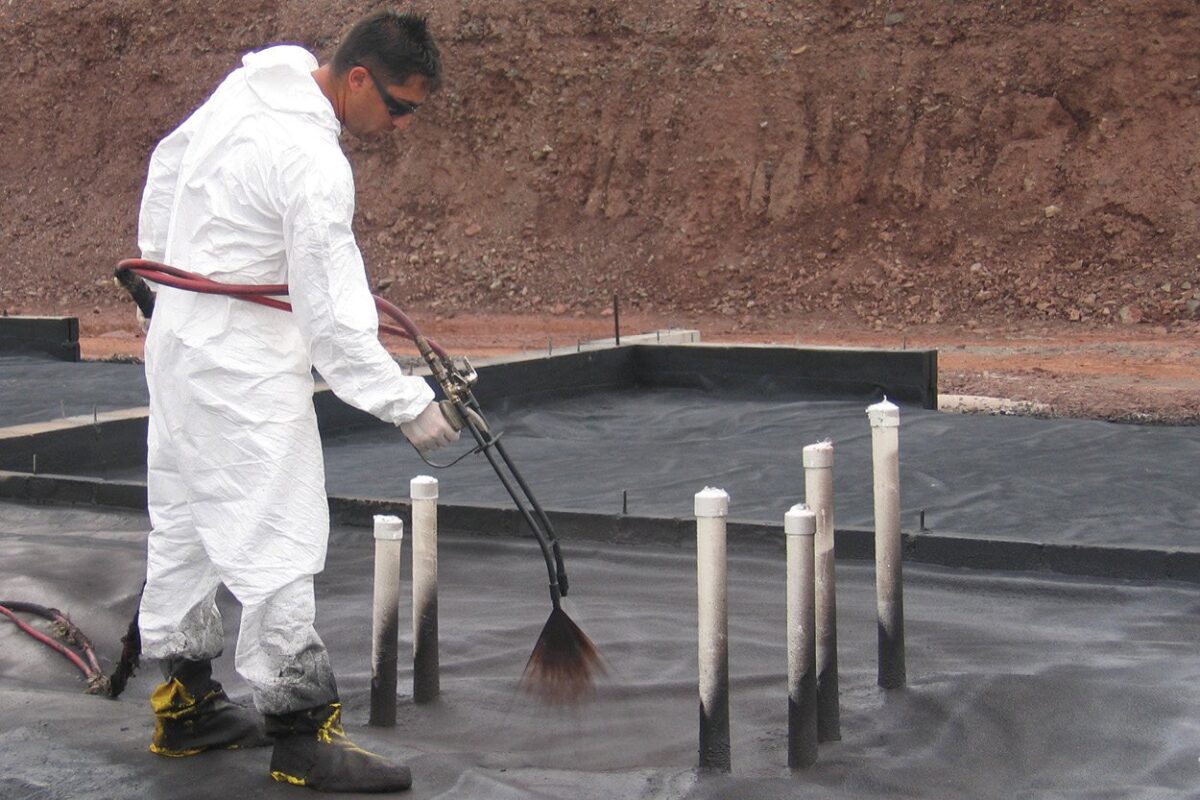
Once vapor intrusion is detected and it poses a risk, the installation of a mitigation system, such as a sub-slab depressurization, can be carried out. The purpose of these systems is to prevent vapor infiltration by venting soil gases away from the building before vapor levels can increase indoors.
A Growing Area of Environmental Awareness
One of the main concerns that has gained attention in the last 20 years is the vapor intrusion that might occur at any site in question, be it contaminated sites, brownfields, or even real estate transactions. As knowledge on the topic keeps getting better, the guidelines set to protect indoor air quality are continuously changing.
Environmental studies that work on vapor intrusion, like those done on vapor intrusion by ACT, through a thorough analysis of the migration of contaminants from soil into buildings, help identify the mechanisms of this complicated process. Understanding these routes is key to the proper treatment of the contaminated sites and the protection of indoor environments.