
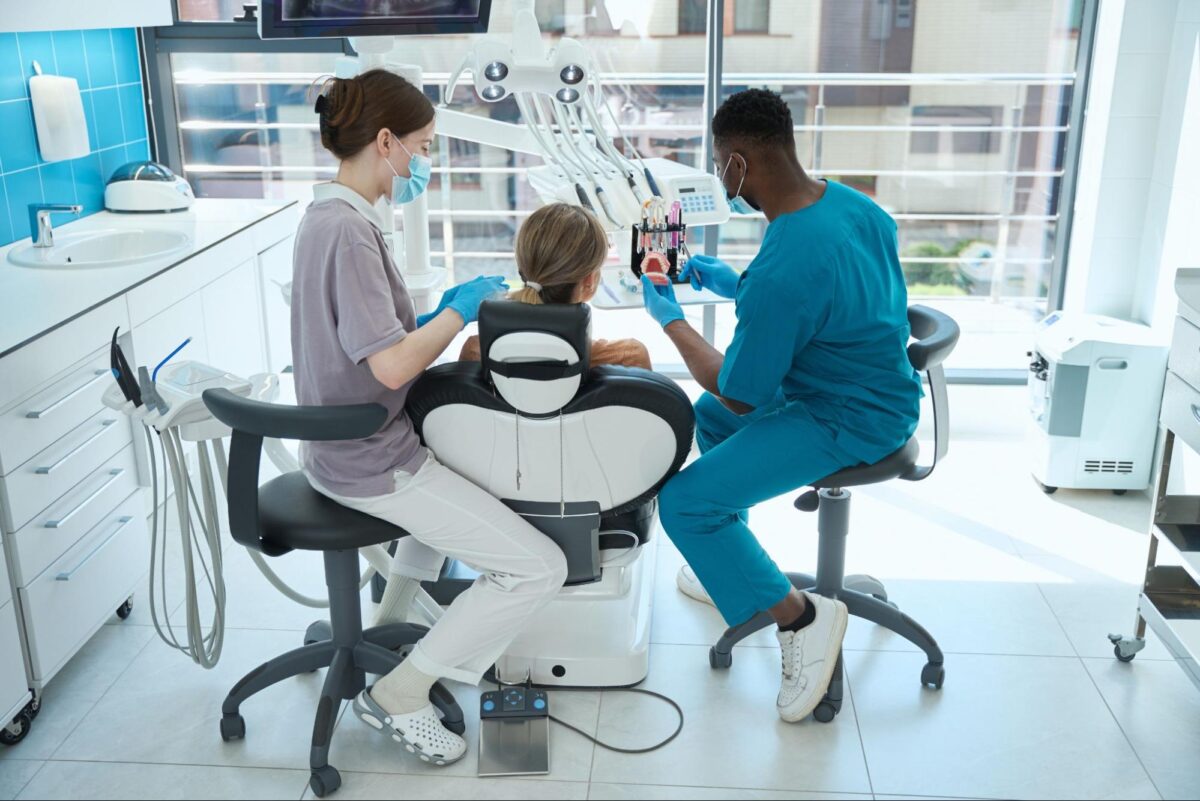
There is wide variation in commercial real estate based on what a building will be utilized for, and dental clinics have specific needs that set them apart from regular office buildings. An office that works well for an accounting firm or a consultancy might need a lot of alterations to make it ready for dental work. Someone studying commercial real estate with respect to dentistry may see website related to commercial properties, leasing, and health care real estate.
Specialized Infrastructure Requirements
The one aspect that makes the difference the most is infrastructure. A traditional office needs to have access to electricity, internet, light, heat, and plumbing, among others. A dental office also has other demands since the treatment rooms have special pieces of equipment.
Special chairs, sterilizers, X-ray machines, compressors, vacuum cleaners, and other devices can demand particular electrical and mechanical connections. The issue with plumbing is essential because the treatment rooms usually need water access. This issue makes the process of converting a regular commercial space into a dental practice more challenging than the renovation of an office.
The Importance of Office Layout
The arrangement is crucial in determining the appropriateness of dental real estate. The typical dental facility consists of various spaces including reception areas, waiting areas, examination areas, sterilization rooms, storage rooms, offices, and staff spaces. The patient traffic should not be ignored.
It means that a proper arrangement ensures smooth movement of the patients and staff members through reception, examination, treatment, and checkout rooms. The treatment room should have enough space for dentists to maneuver their instruments and tools easily. Hence, the size of the property is not the only thing that matters; the way the property is arranged is just as important.
Location and Patient Accessibility
For almost all firms, location plays a crucial role; however, it is a critical factor for dental clinics as well. They may be visited by patients for various purposes on a regular basis. Proximity to residential areas, commercial buildings, public transport, and roads can affect accessibility. The accessibility issue becomes particularly relevant for locations like Washington, D.C., where people rely greatly on public transport. The availability of parking space may also determine the suitability of the location.
Lease Terms and Improvement Costs
Unlike commercial leases, dental office leases can vary in the sense that considerable costs will have to be incurred in making the property ready. This is through installing plumbing, electricity, cabinets, equipment hook-ups, and treatment areas, which may cost considerably. In this case, the terms of the lease will be of much importance since the practice may need to determine whether there is sufficient stability under the lease. The obligation for repairs, installations, restorations, and modifications of the property should also be known in advance.
Regulatory and Building Considerations
The physical characteristics of dentistry have to conform to building codes, safety standards, accessibility and health regulations. The regulations could affect things like entrances, restrooms, treatment rooms and equipment installation.
Zoning requirements have to be taken into account as well. It is not always the case that all commercial premises would allow certain professional and medical practices. In addition, some older buildings could pose other problems, such as extensive modifications required to meet standards of electricity, plumbing, ventilation, and accessibility.
A Distinct Commercial Real Estate Category
Real estate for dental offices has similarities with traditional commercial real estate but also includes the technical specifications needed for providing healthcare services. The elements of location, rent and lease terms are relevant, but there are other elements, including infrastructure, accessibility, layout, zoning, and build-out capacity, that are relevant.
The combination of these elements means that an evaluation of dental real estate should move beyond simple metrics such as the size of the property and monthly rent cost. Properties should be able to meet both the needs of the business as well as the needs of the patients. Individuals comparing properties could see website material on commercial real estate.