Choosing to train dogs comes with various reasons that may vary based on the age, temperament, behavior, and future role of each dog. The preparation for a Syracuse therapy dog program may require specific training but generally starts out in other broad training sessions like obedience camp training, service dog training, and puppy training. Each method emphasizes certain abilities while making sure the dogs react correctly to their surroundings and commands.
Obedience Training
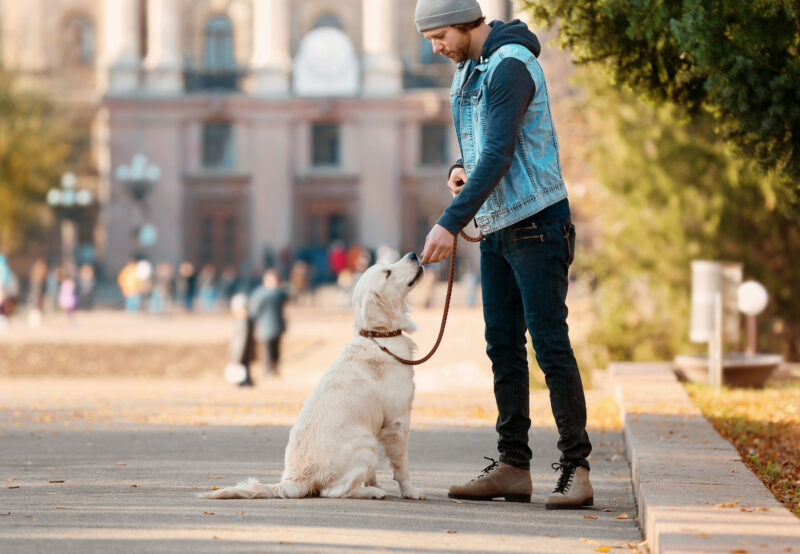
Obedience training is an important way to build a solid basis for good communication between dogs and their handlers. Obedience commands like “sit,” “stay,” “come,” “down,” and “heel” could assist in establishing predictability in different situations. If obedience camps are well-structured, they could offer better teaching compared to occasional classes.
The dog is able to repeat obedience commands many times under certain conditions while slowly adding distractions to the process. At the same time, obedience training could help to overcome such problems as jumping, pulling on the leash, excessive barking, and inability to concentrate. Different strategies for this purpose could be chosen depending on the dog’s age, temperament, experience, and ability to learn.
Service Dog Programs
A more specialized form of preparation is associated with service dog training. In the end, the dogs might help people with disabilities by doing certain jobs or offering other assistance. The training starts with obedience training before going on to teach the dog particular skills. The dog needs to learn how to concentrate when out in public, how to ignore distractions, follow commands, and how to behave around strangers and other creatures. The training can take a lot of time since reliability is especially crucial in this case. The temperament, health, learning skills, and reaction to various environments are among the characteristics that determine the dog’s fitness for this job.
Puppy Training
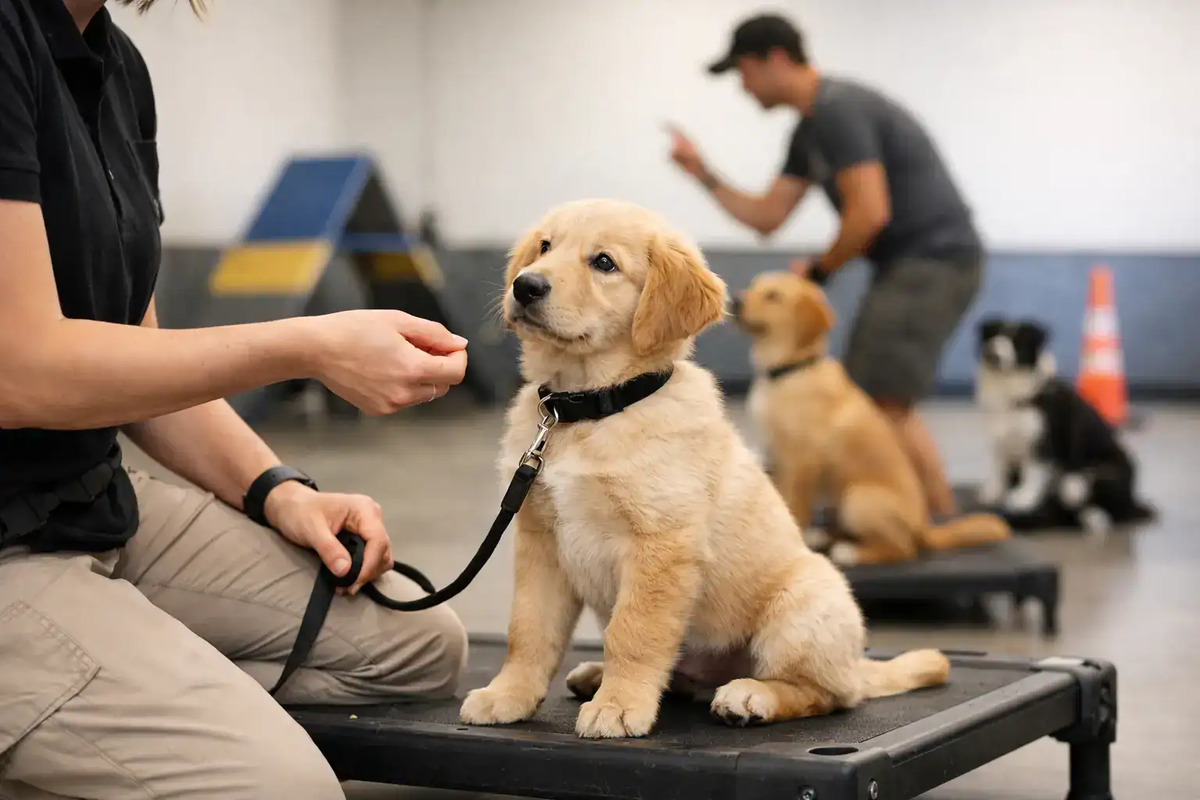
Puppy training centres around developing good manners at an important period of development. At this time, young dogs are just beginning to learn how to relate to humans and other animals, as well as objects and new environments. The time for such training may include obedience training, play time training, lead training, crate training, and house manners. It is also very important because socializing puppy will expose them to different sounds, people, things, and places. Early puppy training does not require perfectly well-behaved puppies; it needs good communication and a routine that can be established with the growth of the puppy.
Importance of Consistency
No matter what kind of program one chooses for dog training, consistency is of high importance in this process. Dogs tend to learn better when there is some kind of predictability in giving commands and using reinforcement techniques. The work of handlers does not end with sessions or dog camps.
The skills that were taught during dog training have to be implemented and practiced by the dogs in real-life situations. There might also be a necessity to change the training technique in case the dog has problems with a certain behavior because there are many factors that could affect the dog’s response.
Choosing an Appropriate Program
Every dog is different in their own way and so does their training needs. While a puppy could make use of socialization and some basic obedience classes, an older dog with behavioral issues would need other kinds of training. Service dogs should be trained through more specialized classes than normal household obedience classes. Knowing the reason behind each training class means that the owner can look into training classes based on what the dog requires, and not just assume that any training is good enough.
The dog could receive basic skills from obedience camp, specialized skills in a service dog program, and early appropriate behavior in puppy training. All these training methods highlight the importance of dog training in pet services. There are specialized training programs that could build on top of all these training techniques, such as the Syracuse therapy dog program.